
In 2014, the global probiotics market was worth around $30 billion. By 2024 it had nearly doubled. And yet, ask a working gastroenterologist what they prescribe to patients with garden-variety bloating, and the answer — increasingly — is not "a capsule from the chiller cabinet". It is, more often than not, "eat more plants".
For a decade, marketing got ahead of the evidence. We were told there were "good" and "bad" bacteria, that strain X helped digestion and strain Y helped mood, that the gut microbiome was a kind of inner garden you could tend with the right premium yoghurt. None of that is wrong, exactly. It just isn't quite right.
What probiotics actually do — and don't
The most generous read of the literature is this: certain specific strains, in specific clinical contexts, at specific doses, do something measurable. Lactobacillus rhamnosus GG seems to shorten the duration of antibiotic-associated diarrhoea in children. Saccharomyces boulardii has good data for traveller's diarrhoea. Strain-specific evidence in IBS is improving year on year.
What the data don't support — and never really did — is the casual, daily-yoghurt, "support your gut" framing that dominated supermarket shelves. A 2023 umbrella review found no consistent benefit for routine probiotic supplementation in healthy adults.
"The gut microbiome is not a garden you can plant. It's a city. And cities are shaped, mostly, by the food you bring into them every day."
What seems to actually work
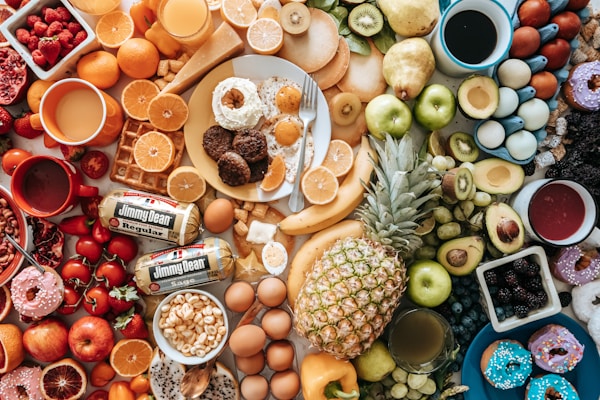
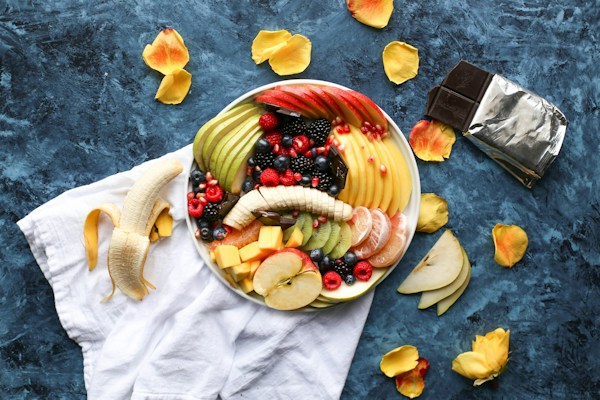
If the probiotic capsule is the loud answer, dietary fibre is the quiet one. Specifically, the diversity of plant fibres in the diet — what the American Gut Project memorably called the "30 plants a week" target — appears to correlate with greater microbial diversity, which in turn correlates with most of the outcomes patients actually care about.
- Eat fermented foods you enjoy — kefir, kimchi, sauerkraut, yoghurt.
- Aim for 30 different plants across the week. Herbs, spices, nuts and seeds count.
- If you take a specific probiotic for a specific condition, work with a dietitian.
- Be skeptical of any product that promises "balance".
The reframe
The story of the last decade in nutrition is, in many ways, a story of looking for a shortcut and finding a habit instead. Probiotics are not a scam. They are simply a smaller tool than they were sold as. The bigger one is the boring one — eat plants, lots of them, and most of the time.
References
- Suez, J. et al. (2019). The Pros, Cons, and Many Unknowns of Probiotics. Nature Medicine, 25(5).
- McDonald, D. et al. (2018). American Gut. mSystems, 3(3).
- Marco, M.L. et al. (2021). ISAPP consensus on fermented foods. Nat Rev Gastroenterol Hepatol.
- Wastyk, H.C. et al. (2021). Gut-microbiota-targeted diets modulate human immune status. Cell, 184(16).
- Goodrich, J.K. et al. (2023). Umbrella review of probiotic supplementation in healthy adults. BMJ Open.